指數般擴散的科基蛙
By Naturespace · 13 reviews ·
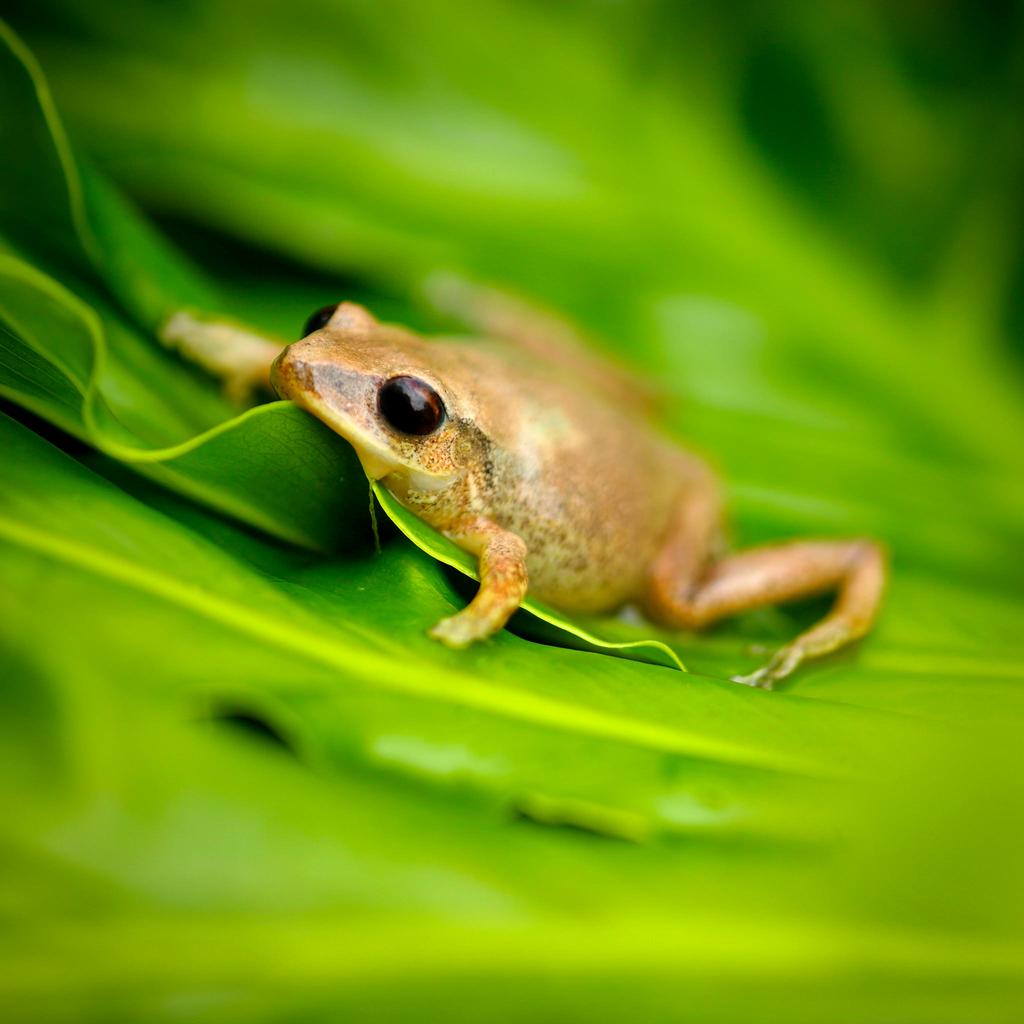
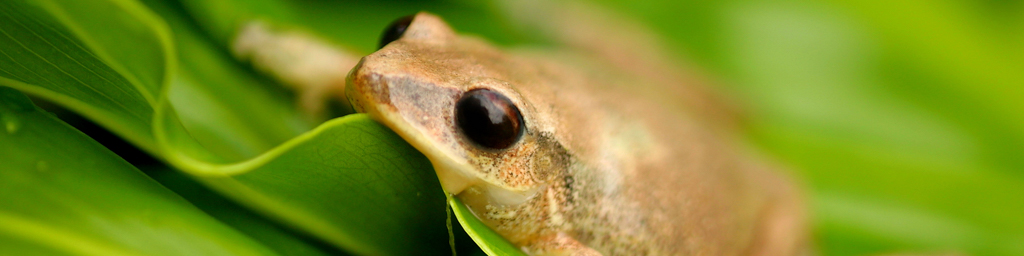
科基蛙,這種在夏威夷蔓延的樹蛙,一直備受爭議。牠的鳴聲由一聲「ko」接著「kee」構成,也因此得名 coqui。在某些地區,這樣的聲音幾乎讓夜晚不再安靜。但對許多人而言,它卻迷人、耐人尋味,並帶著一絲令人沉入其中的催眠感。 這段錄音中,數以千計的科基蛙鳴叫,並疊加一層經過放慢的蛙聲,讓空間更滿。聲音在森林之間來回彈跳,在耳機中輕輕撩動思緒;透過揚聲器播放,也很適合作為環境聲。
What listeners say
The coqui is a native species to the tropical island of Puerto Rico. Although it was introduced illegally to the islands of Hawaii and considered by most a nuisance species, it is a beloved and cherished in its native soil. I play this soundtrack and go back in time to the place where I grew up. When the coqui songs always kept me company during the long nights of my childhood in the island that I called home. I now live in Georgia. No coquis here, but their song lives on. ;) thank you.
Coqui is native to the island of Puerto Rico, NOT Hawaii. The species invaded the island of Hawaii only after serveral of these mystical frogs landed on cargo containers and took the long journey to the Pacific Ocean by way of the Panama Canal.
I like this track because I grew up in Puerto Rico and this is a typical sound of nightlife in the island. I first found this track by looking at the Islamd tracks, I was surprised and told my wife, "look they have a track with Coqui's, remember them?" Then when I read the description I was furious. There was no mention of it being a native species of Puerto Rico. Not a single Iota. When coqui tree frogs accidentally arrived in Hawaii with shipments of plants from Puerto Rico, the response was ballistic. The mayor of Hawaii declared a state of emergency. Scientists feared the sky was falling, and that the coquis, which eat lots of insects, would decimate the insect population to the point of starving all other insectivorous creatures. The sound of the frogs, a two-toned “ko-KEE”, was described as a “shrill shriek” guaranteed to keep everyone awake at night, run down property values, and drive away tourists. Ironically, this same coqui frog is the national animal of Puerto Rico, its native land. In fact, Puerto Ricans love this frog and its chirping sound so much that it is honored in local folklore. People describe the nighttime sound of the coqui as soothing and necessary for sleep, and Puerto Rican travelers often bring recordings of coquis with them when away from home to help them sleep. Would it had hurt Naturscape to put one line saying it's the national animal of PR or that it was native to it... I still bought the track, but for future reference I would like to see the description of the track edited.
As a long time resident of the big island I never thought I would miss this sound but I find myself transplanted on the mainland and the sound of the ko-kee is very soothing. Many Mahalos, Keahilani
This one grew on me. It's a nice constant pattern so easy to sink into. I find it nice to read to at a slightly quiter volume.
This is literally the most precious of sounds if you are Puerto Rican... it's a sound I have missed so much and I am so happy I found it. PS-they exist only in Puerto Rico lol... nowhere else (Naturespace comment: They are native only to Puerto Rico, but they are also in Hawaii as an invasive species.)
This track absolutely has a place in my NS collection. It is quite different than most other tracks. Some people have a problem with it because it is quite sharp, but as NS quite correctly points out, the volume level must be low. I also like the one artifical element - the slowed call - that can be heard in the background. I agree that it adds depth. I would prefer if the buzzing in the foreground was not present, but I assume that this is a natural sound that was present at the time of the recording and thus is part of the actual ecosystem. This track is alerting to the listener - not the typical lulling affect of many NS tracks - and for that reason, I find it one that can be listened to at a low volume when working. I like the variety it adds to my collection. If you download this track, give it a chance to grow on you - and play with the volume (lower than normal) to enjoy.
This track is absolutely beautiful, and part of me is surprised that it was recorded on this planet! It's definitely worth having, but maybe not as one of your first Naturespace purchases. This one is different enough to be refreshing for those looking for a change of pace. It almost could fit in with the Sci-Fi category.
This is one of the weirdest sounds I've ever heard but I quite like it. The trick is not to play it too loud.
Their originally from Puerto Rico. Bu they must have multiplied like crazy in Hawaii because it sounds like millions of coquis. The ko kee sound is a mate call. And at night it is a beautiful sound. (Naturespace comment: The Coqui have no natural predator in Hawaii, as opposed to Puerto Rico, where they have snakes. So the population has exploded. Millions of Coqui indeed!)
Annoying. To shrill_______------(Naturespace comment: Make sure you don't listen too loud, which would make a gentle sound into a harsh one)
It is like the coqui are trying to put you into a peaceful trance. There is so much depth to the sound. You can hear the calls both near and far. In the background the only other thing you can hear is the faint humming of the Hawaiian forest insects.
This track doesn't appeal to me, and I never listen to it. It's not that there is anything wrong with it, it's just that the app is full of some many wonderful, relaxing, beautiful and textured soundscapes to choose from - so why would I want to listen to these noisy little critters? :-) As somebody else said, it's too shrill and doesn't evoke any imagery or sense of place (at least not for me).